
• Recipes
  • Best Coffees
  • Guide
    • South American Coffees
    • African Coffees
    • Indonesian Coffees
  • Contact
menu icon
go to homepage
  • Recipes
  • Best Coffees
  • Guide
    • South American Coffees
    • African Coffees
    • Indonesian Coffees
  • Contact
subscribe
search icon
Homepage link
  • Recipes
  • Best Coffees
  • Guide
    • South American Coffees
    • African Coffees
    • Indonesian Coffees
  • Contact
×
Home » Single Origin Coffee Beans » African Coffees

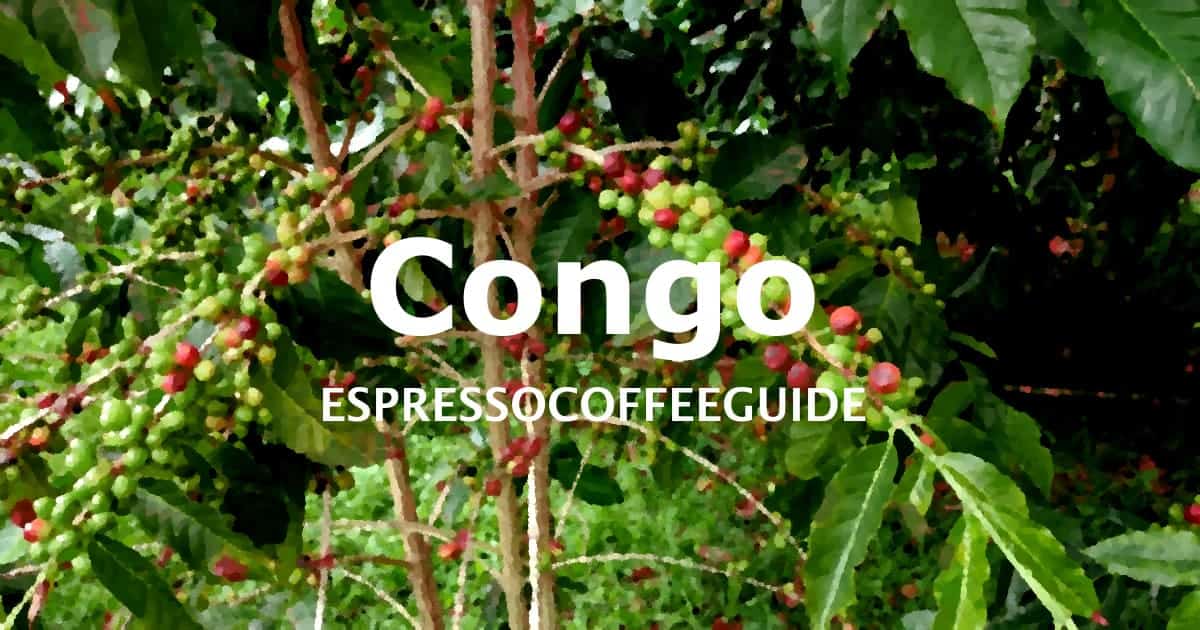
Congo Coffee Beans

Political and social turmoil in Congo has had negative effects on coffee farming, and the future of coffee farming in the region as well as the availability of premium quality exports remains uncertain.
Issues with both police and border agents mean delays and additional costs - sometimes in the form of bribes - to keep the flow of market-ready coffee to borders where it can be exported.

While neighbouring countries like Uganda can get coffee out in 10-14 days, it typically takes closer to 45 days for coffee from Congo to the port of Mombasa in Kenya.

  • Growing Altitude: 1400-2000 meters above sea level
  • Region: Kivu
  • Arabica Variety: Bourbon
  • Harvest Period: March - June
  • Milling Process: Washed, Sun Dried
  • Aroma: Sweet, Chocolatey
  • Flavor: Citrusy, Dark Fruits (berries, raisins, plums)
  • Body: Full
  • Acidity: Bright, Citric

Companies such as Higher Grounds Trading Co. have invested both money into developing the local infastructure, and time and effort into importing and selling Congolese coffees in the United States and Canada. Congo is still a fairly exotic coffee growing region, without too much availability on the general market.

Jump to:
  • Growing regions
  • Farming
  • Brands
  • Brewing tips

Growing regions

Kivu spans over a broad area and borders Rwanda, Burundi, and Uganda. The three provinces of Kivu are Maniema, Sud-Kivu (South Kivu), and Nord-Kivu (North Kivu) and the region includes Kahuzi-Biega National Park, a section of Maiko National Park, and the Ruwenzori Mountains. Eastern Kivu borders Lake Tanganyika.

Farming

Kivu is one location known for the farming of coffee as well as palm oil, cotton, tin and gold - it's the general name for East Congo, or Kinshasa. Green coffee production has risen as high as 960 tons recently - a drop in the global market, but is growing rapidly. To accommodate the growth, just under 100 coffee washing stations have sprung up from just 7 roughly 5 years ago. Each coffee washing station costs between $70,000 to $100,000 - signaling a significant investment.
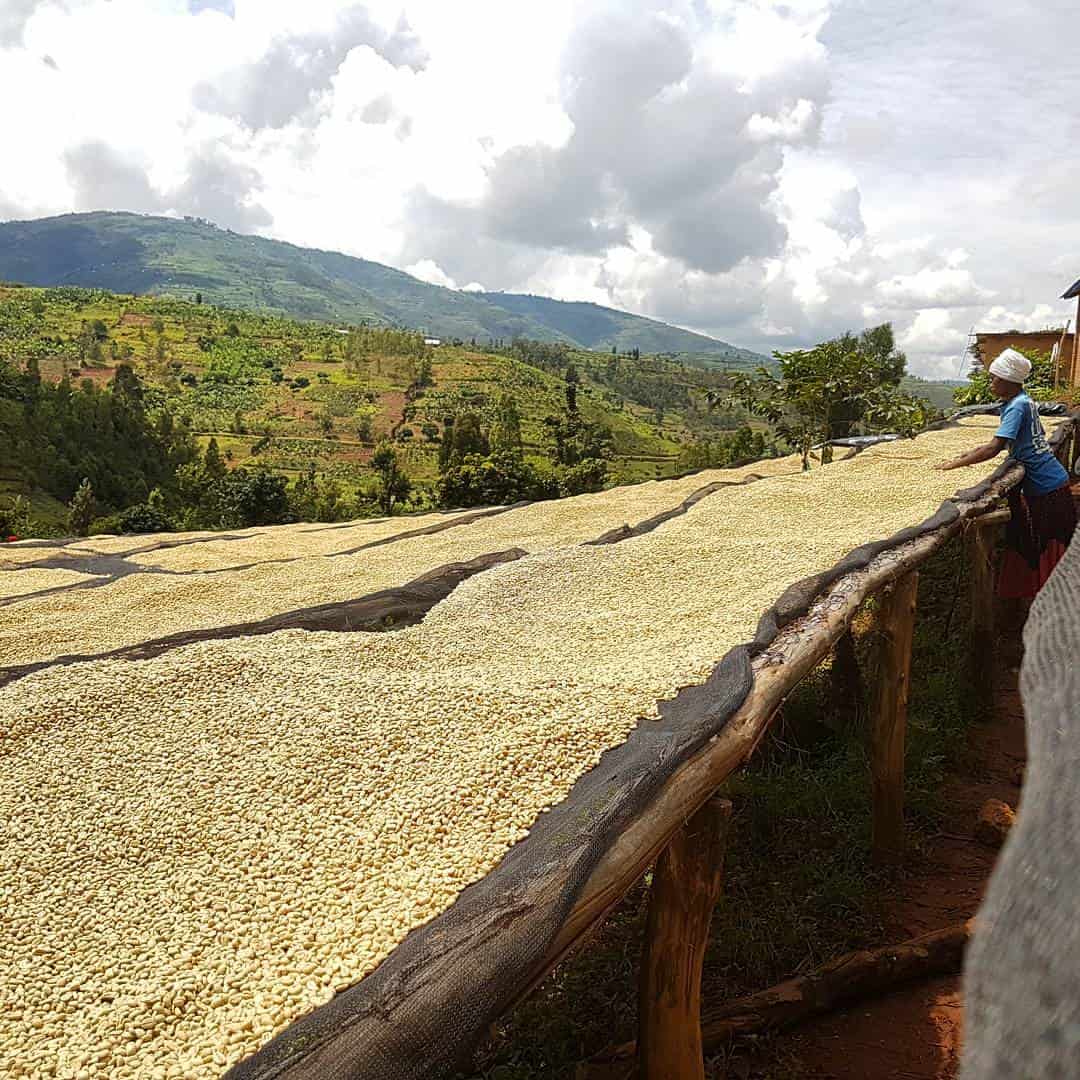
Congo Green Coffee

One coffee growing cooperative consisting of 8,000 members is Sopacdi (Solidarité Paysanne pour la Promotion des Actions Café et Développement Intégral), whose coffees are certified both Fair Trade and Organic - an accomplishment considering the difficulties facing the industry. Another cooperative - AMKA - consists of 1,200 members who produced about 1000 x 60kg bags in 2015.

The crop for the 2015/2016 stands at about 335,000 x 60kg bags of green coffee beans.

Brands

Congolese coffee is used in the "Three Africans" coffee from Blue Bottle Coffee Co.

Brewing tips

For tips on brewing the perfect cup of Congo coffee see the Espresso Coffee Guides section on coffee brewing.

For easy to follow instructions on how to make great Congo espresso drinks see Espresso Drink Recipes and the How to make a Latte. Also provided are tips on Pulling A Perfect Espresso Shot.

For the history of espresso and coffee see World's Best History of Coffee, and for a complete list of coffee terminology with detailed definitions see the Espresso Coffee Guides Coffee Terms.

References

https://www.wsj.com/articles/the-most-dangerous-cup-of-coffee-in-the-world-1476453922 ico.org

Share to:

  • Facebook
  • X
  • Email

Comments

  1. Maya says

    September 05, 2017 at 8:45 am

    Where can I buy congo coffee from?

    Reply
    • EspressoCoffeeGuide says

      September 07, 2017 at 3:21 pm

      We don't currently have a supplier we'd recommend for coffee from the Congo, but are keeping our eyes out.

      Reply

Leave a Reply Cancel reply

Your email address will not be published. Required fields are marked *

Recipe Rating


Welcome!

EspressoCoffeeGuide is your comprehensive guide to the top coffee origins and information on coffee beans

More about me

More African Coffees

  • Angola Coffee Beans
  • Benin Coffee Beans
  • Burundi Coffee Beans
  • Cameroon Coffee
  • Central African Republic Coffee
  • Equatorial Guinea Coffee Beans
  • Congo Coffee Beans
  • Ethiopian Coffee Beans
  • Gabon Coffee
  • Ghana Coffee
  • Ivory Coast Coffee - Cote D'Ivoire Coffee
  • Kenya Coffee Beans
  • Liberian Coffee - Coffees of Liberia
  • Madagascar Coffee Beans
  • Malawai Coffee Beans
  • Nigerian Coffee Beans
  • Rwanda Coffee Beans
  • Sierra Leone Coffee Beans
  • Tanzania Coffee Beans
  • Togo Coffee Beans
  • Uganda Coffee Beans
  • Zaire Coffee Beans
  • Yemen Coffee Beans
  • Zambia Coffee Beans
  • Zimbabwe Coffee Beans

Guide to the Top Coffees

  • Kenya Coffee Beans
  • Sulawesi Coffee Beans
  • Yirgacheffe Coffee Beans
  • Sumatra Coffee Beans
  • Harrar Coffee Beans
  • Costa Rican Coffee Beans
  • Brazilian Coffee Beans
  • Mocha Java Coffee Beans
  • Tanzania Coffee Beans
  • Guatemala Coffee Beans
  • Ethiopian Coffee Beans
  • Colombian Coffee Beans
  • Honduran Coffee Beans
  • Hawaiian Kona Coffee Beans
  • Geisha Coffee Beans
  • Espresso Beans
  • Best Coffee Beans

Popular

  • Turmeric Latte
  • Coffee Cake Muffins
  • Dirty Chai Latte
  • a cup of chicory coffee with chicory flowers beside it
    Chicory Coffee

Footer

back to top

ABOUT ESPRESSOCOFFEEGUIDE.COM

Find out more About us and what we're doing.

Information is pulled from a number of locations including official sources ICO, SCA, as well as proprietary third party databases. Beginning circa 2006, we've compiled data and written about coffee and continue to revise and add as new sources come to light. If you have any recommendations or suggested revisions please contact us!

Information on single origins is updated over time and only reflects the data we have at the time of writing on current crops. All product names, logos, and brands are property of their respective owners. EspressoCoffeeGuide.com reserves the right to all its own content.

COLLABORATE WITH US

We're always looking to team up with individuals and companies doing awesome things in the coffee industry. If you'd like to contribute please reach out to us with a proposal!

Contact us

Privacy Policy

Disclosure: We may earn commission at no cost to you from some links on this website. However, the content, opinions and analysis are 100% objective and editorial objectivity is our priority.

Copyright © 2025 EspressoCoffeeGuide