
• Recipes
  • Best Coffees
  • Guide
    • South American Coffees
    • African Coffees
    • Indonesian Coffees
  • Contact
menu icon
go to homepage
  • Recipes
  • Best Coffees
  • Guide
    • South American Coffees
    • African Coffees
    • Indonesian Coffees
  • Contact
subscribe
search icon
Homepage link
  • Recipes
  • Best Coffees
  • Guide
    • South American Coffees
    • African Coffees
    • Indonesian Coffees
  • Contact
×
Home » What is Espresso? » Espresso Drink Recipes

How to Make a Cafecito / Cuban Coffee

What is a Cafecito (Cafe Cubano)?

The Café Cubano (Cafecito) is a prominent social drink in Cuba, Florida and many Cuban American communities. This coffee is very similar to a traditional espresso - strong brewed, in slightly larger quantity than actual espresso, and sweetened with sugar alone.

Cafecito is also the name of a sandwich shop in Chicago. A Cuban coffee is simply coffee from Cuba.
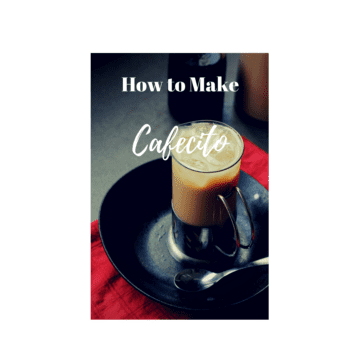
Cafecito Recipe (Cafe Cubano)

EspressoCoffeeGuide.com
Introduce the Cafecito to your friends and family at your next social gathering. This recipe uses a 3-cup Moka Pot (Stove Top Espresso Maker) at 4-oz per cup, for a total of 12 brewed ounces of coffee.
5 from 2 votes
Prevent your screen from going dark

Ingredients
  

  • 42 g Coffee espresso grind
  • 420 ml Water
  • 3 teaspoon Brown Sugar or demerara

Instructions
 

  • Fill Moka Pot with water according to instructions
  • Pack down coffee into stove top espresso maker chamber
  • Place over moderate heat
  • Add 1 teaspoon of sugar to 2 coffee cups
  • As coffee fills the reservoir, pour ½ tablespoon of coffee over sugar to begin dissolving
  • Return espresso maker to heat to complete brewing
  • Beat the sugar and espresso mix in the cup with a spoon, until granules dissolve - this is known as "creaming the sugar"
  • Pour brewed coffee over the creamed sugar, stirring slowly
  • Pour coffee into espresso cups and serve

Notes

This coffee drink recipe has a sweet demerara sugar over a strong coffee that packs a punch.
Your ratios may vary from the traditional 1:10 coffee:water ratio, depending on your brewing method and preferences.
Demerara sugar has a larger grain than brown sugar; it is partially refined and produced from the first crystallization of cane juice into sugar. The demerara natural caramel flavor gives this warm drink its caramel notes. The crema for this coffee is hand made using the demerara sugar and a little bit of the brewed coffee.
You will need to beat the sugar and coffee until it becomes a creamy blonde liquid, for about one minute. This blonde liquid is what separates the Cafecito from other coffee recipes.
Print Recipe Pin Recipe
Tried this recipe?Let us know how it was!

Best Coffee Bean for a Cafecito

The obvious choice for coffee selection here is a coffee from Cuba, making it an authentic Cuban coffee drink. Due to low production and export volumes however, alternatives need to be considered. Costa Rica is a great option as a substitute, as well as Honduras. A typical Cuban coffee bean is roasted fairly dark, which is enhanced further by the Demerara, and brewed very strong.

You'll want to ignore best practices on the amount of coffee per cup, and make it extra strong.

Coffee Maker: The Moka Pot (Stove Top Espresso)

Although the Moka pot doesn't actually make espresso, which has to be placed under 130.5 PSI, it does use water pressurized by steam to create a dark, rich coffee. This high pressure along with the steam extracts more flavor compounds and coffee solids and makes a coffee that has a mouthfeel and body more akin to espresso. The key to making coffee with a Moka pot is patience. Bring the coffee to a boil over moderate heat. Otherwise, you could burn the coffee grinds and burnt tasting coffee.

If you are going solo and want to treat yourself, make a single serving by adding the sugar directly to the espresso pitcher of an espresso maker. Doing so will cause the coffee and sugar to become more viscous than if you simply added sugar at the table. Although traditionally the Cafecito won't have milk or cream added to it, it's not uncommon for American's to add a splash of cream to their espresso.

It's easy to run to a coffee shop and pick up a few coffees after work for friends and family but for something special that you don't drink every day, the cafecito is worth the time to make. The extra effort that goes into making a cup of coffee such as the cafecito speaks to the Latin tradition of enjoying social time with friends and family.

Share to:

  • Facebook
  • X
  • Email

Welcome!

EspressoCoffeeGuide is your comprehensive guide to the top coffee origins and information on coffee beans

More about me

More Espresso Drink Recipes

  • How To Make Irish Coffee (Cafe Irlandes)
  • How to Make a Vietnamese Coconut Egg Coffee
  • How to make a Black Russian (Recipe)
  • How to make an Espresso Daiquiri Cocktail (Recipe)
  • How to make a Flying Frenchman Cocktail (Recipe)
  • How to make a Carajillo Spanish Coffee (Recipe)
  • Iced Coffee Recipes
  • How to Make a Cafecito / Cuban Coffee
  • Submit Your Coffee Recipe
  • How to Make a Cafe Bombon (Recipe)
  • How to Make a Cafe Con Leche (Recipe)
  • How to Make Espresso con Panna (Recipe)
  • Activated Charcoal Latte Recipe
  • How to Make an Espresso Float
  • Italian Soda
  • Turkish Coffee Recipe

Guide to the Top Coffees

  • Kenya Coffee Beans
  • Sulawesi Coffee Beans
  • Yirgacheffe Coffee Beans
  • Sumatra Coffee Beans
  • Harrar Coffee Beans
  • Costa Rican Coffee Beans
  • Brazilian Coffee Beans
  • Mocha Java Coffee Beans
  • Tanzania Coffee Beans
  • Guatemala Coffee Beans
  • Ethiopian Coffee Beans
  • Colombian Coffee Beans
  • Honduran Coffee Beans
  • Hawaiian Kona Coffee Beans
  • Geisha Coffee Beans
  • Espresso Beans
  • Best Coffee Beans

Popular

  • Turmeric Latte
  • Coffee Cake Muffins
  • Dirty Chai Latte
  • a cup of chicory coffee with chicory flowers beside it
    Chicory Coffee

Footer

back to top

ABOUT ESPRESSOCOFFEEGUIDE.COM

Find out more About us and what we're doing.

Information is pulled from a number of locations including official sources ICO, SCA, as well as proprietary third party databases. Beginning circa 2006, we've compiled data and written about coffee and continue to revise and add as new sources come to light. If you have any recommendations or suggested revisions please contact us!

Information on single origins is updated over time and only reflects the data we have at the time of writing on current crops. All product names, logos, and brands are property of their respective owners. EspressoCoffeeGuide.com reserves the right to all its own content.

COLLABORATE WITH US

We're always looking to team up with individuals and companies doing awesome things in the coffee industry. If you'd like to contribute please reach out to us with a proposal!

Contact us

Privacy Policy

Disclosure: We may earn commission at no cost to you from some links on this website. However, the content, opinions and analysis are 100% objective and editorial objectivity is our priority.

Copyright © 2025 EspressoCoffeeGuide

Rate This Recipe

Your vote:


A rating is required
A name is required
An email is required