
Coffees from El Salvador, which shares a border with Guatemala and Honduras, tend to have a good body yet a relatively uneventful flavor and acidity.
- Growing Altitude: 1,200 - 1,500 meters above sea level
- Arabica Variety: Bourbon, Pacas, Pacamara, Caturra, Catuai, Catisic
- Harvest Period: October - March
- Milling Process: Washed, Sun-dried
- Aroma: Sweet (fruity), Floral, Spice
- Flavor: Sweet (honey), Citrus (tangerine), Chocolate
- Body: Round
- Acidity: Bright, Sweet
Tasting Notes
These are dependable coffees yet mostly undistinguished, and they tend to be softer and exhibit less acidity than the typical Central American coffees. This does vary, with some coffees exhibiting a bright acidity. However, the generally gentle acidity as well as the coffee's balance and honey-like sweetness have made El Salvador coffees a great choice for use in coffee blends, making it smoother.
The cupping profile varies by region, depending on the processing method used and varietal grown. Among the more popular regions:
- Alotepec Metapan: Medium acidity, high flavor
- El Balsamo Quezaltepec: Full body, lots of flavor, medium acidity
- Tecapa Chinameca: Good body, high flavor and aroma, medium acidity
- Cacahuatique: High acidity, high aroma, medium body and mild flavor
- Chicontepec: High flavor, medium acidity, full body and mild aroma
- Apaneca Ilamatepec: Full body, high acidity, high flavor and aroma
Review
Exceptions to mediocre El Salvador coffees include the high grown coffee beans from the coffee varietals Bourbon and Pacamara , both of which are distinguished for their gentle and pleasing yet lively and complex flavor and aroma.
The highest grade of El Salvador coffee is Strictly High-Grown (SHG), at 1,200 meters above sea level. Coffees grown between 900 and 1,200 meters are classified as High Grown, while everything below 900 meters falls into Central Standard.
The altitude of these coffees cause them to grow slower, allowing them more time to absorb nutrients and develop the best possible flavor.
Varietals
The Pacamara varietal is a hybrid between Pacas and Maragojipe. First bred in 1958 in El Salvador, Pacamara is thought to have been developed in order to create a variety of Typica with larger coffee beans. The coffee varietal Pacas was discovered in 1949 in El Salvador and is a natural mutation of Bourbon with Caturra.
The Geisha coffee plant varietal has been recently introduced to El Salvador and may make its way onto the coffee markets in upcoming years.
Organic and Shade-Grown
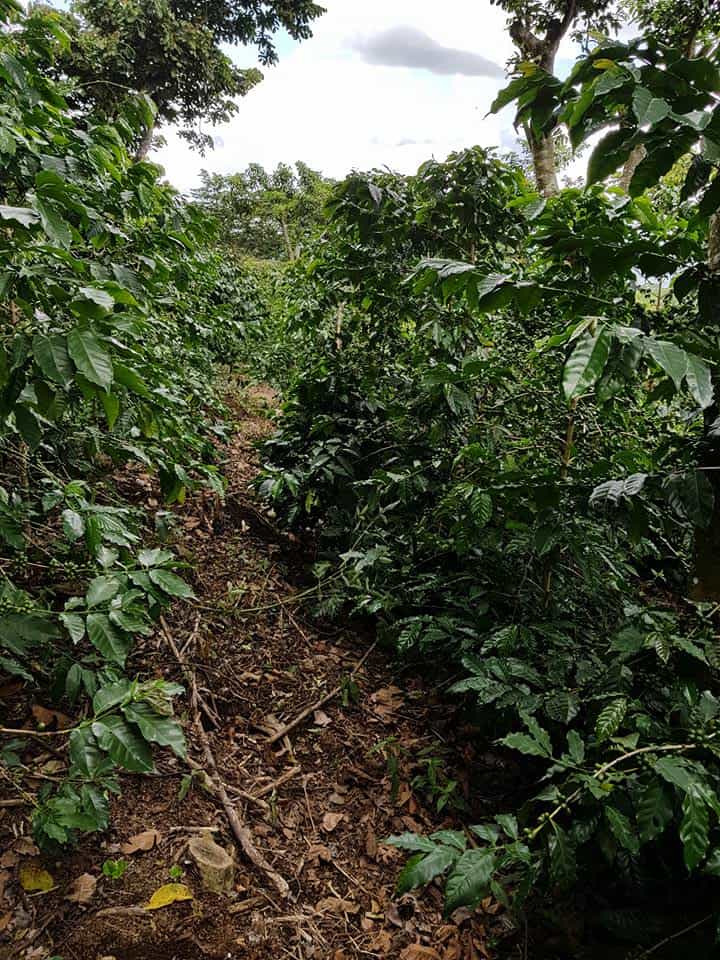
In the highlands of western El Salvador in Tacuba are three cooperatives - La Concordia, El Sincuyo, and Las Colinas - that produce shade-grown coffees and use organic composting to nurture the Arabica coffee plants. Coffee growing regions within El Salvador include
- El Balsamo-Quetzaltepec
- Aloptepec-Metapan
- Apaneca-Lllamatepec
- Chicontepec
- Cacahuatique
- Tecapa-Chinameca
Industry
In the past El Salvador's ability to consistently produce quality coffee was affected by political instability. However, in recent years El Salvador has been gaining a reputation for being able to produce some of the best gourmet single-origin arabica coffees.
These coffees are processed then the export process is managed by brokers and distributors, who work with green coffee importers in countries like the U.S. and Canada to clear customers and manage the shipping process (literally, by ships) in bulk - 45,000-lb containers.
The green coffee importers then separate the 132-lb bags into smaller wholesale lots of unroasted green coffee beans so that coffee roasters can then roast for brands and blends.
A number of varietals are grown in El Salvador:
- Pacamara: Physically a large fruit and seed. Good body, aroma and acidity and exceptional flavors.
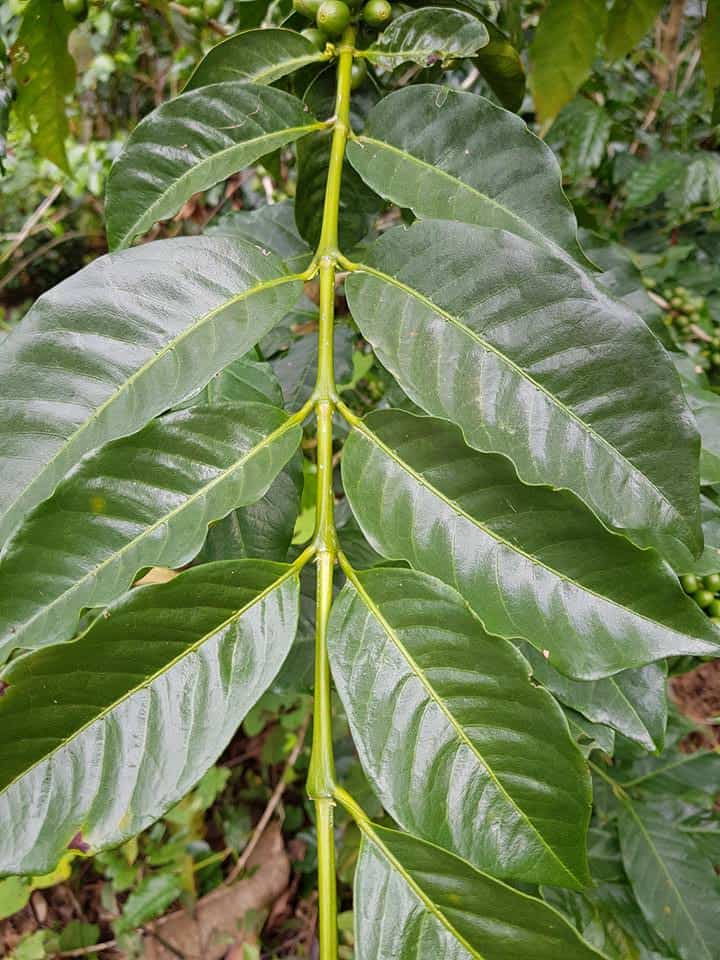
- Pacas: Physically has larger leaves than a Bourbon tree. Excellent body, aroma and acidity with good flavors - should be cultivated above 1,000 meters.
- Bourbon / Tekisic: Physically has large fruit and seed - high yield, normal leaves, less dense than Pacamara. Excellent body, aroma and acidity and more balanced attributes.
- Catimor: Physically similar to Pacas, resistant to coffee rust. Has the most body of all coffees grown in El Salvador, is similar to Sarchimor.
- Sarchimor: Physically similar to Pacas, resistant to coffee rust. Body is also the most prominent feature.
When buying El Salvador coffees, get them whole bean and grind just before brewing, and buy fresh roasted from a roasting company, and not off-the-shelf from retail stores or Amazon.
Coffee processing
The majority of El Salvador coffees are washed. The semiwashed process in which the mucilage is remove with machines and minimal water. Natural processing involves drying directly on raised african beds and imparts a nice fruity quality. Finally, the honey process creates a sweeter coffee.
Brands
Most El Salvador coffees sold within North America are done through the typical coffee supply chain - a roaster buys a single origin (usually with little other information) from an importer, who buys it from an exporter within that country who deals with the mills who aggregate coffee from multiple farms. Most brands you'd find are therefore roasters based in the United States and Canada.
Starbucks has featured a number of El Salvador coffees through the Starbucks Reserve program.
Brewing
For step-by-step instructions on making great espresso drinks see Pulling A Perfect Espresso Shot as well as How to make Lattes and Cappuccinos. The coffee cherry that surrounds the coffee bean can be made into a cascara latte.
For detailed definitions of coffee and espresso terminology see the Coffee and Espresso Glossary.
Leave a Reply