
• Recipes
  • Best Coffees
  • Guide
    • South American Coffees
    • African Coffees
    • Indonesian Coffees
  • Contact
menu icon
go to homepage
  • Recipes
  • Best Coffees
  • Guide
    • South American Coffees
    • African Coffees
    • Indonesian Coffees
  • Contact
subscribe
search icon
Homepage link
  • Recipes
  • Best Coffees
  • Guide
    • South American Coffees
    • African Coffees
    • Indonesian Coffees
  • Contact
×
Home

How to Pull a Ristretto Espresso Shot

Pull a Ristretto Shot

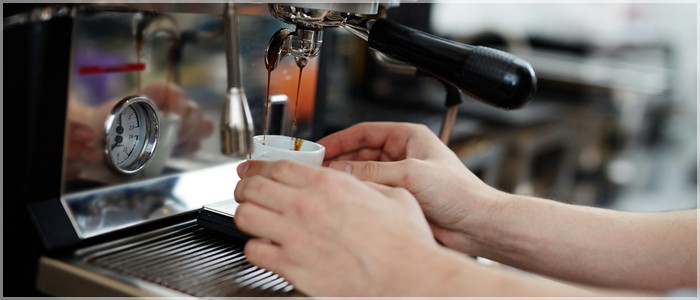
Ristretto is the Connoisseurs Espresso Shot. Gourmet espresso lovers often prefer a ristretto shot to obtain the very finest tastes and aromatic qualities of the espresso. Here is some information that will help you how to make a ristretto shot.

Also sometimes known as a "Corto", but not to be confused with "Cortado".

What is a Ristretto Shot?

A Ristretto ("limited" or "restricted" in Italian) shot is simply the first half of a full espresso shot, measuring ½ fl.oz. (15 mL) rather than the full 1 fl.oz (30 mL). It still uses the same amount of coffee grounds ("espresso" grounds).

What is the Volume of a Ristretto Shot?

A ristretto shot size should be ½ fluid ounces (15 mL), while a double ristretto should be 1 fl oz (30 mL). It's important to note that a double ristretto needs to be made using two separate espresso pucks - you pull one 15 mL shot using 7 grams, dispose of it, then pour a second 15 mL shot using 7 grams. This is different from a normal double espresso which would be about two ounces.

How many ounces in an espresso shot? 1 ounce (30 ml)
How many ounces in a double espresso shot? 2 ounces (60 ml)
How many ounces in a ristretto shot? ½ ounce (15 ml)
How many ounces in a double ristretto shot? 1 ounce (30 ml)

A double ristretto is the same volume as a classic single shot, but will take twice the work, and taste slightly less bitter. It will also have a much more syrupy mouth-feel. It's a great way to make the espresso stand out in espresso drink recipes and alcoholic coffee drink recipes, but remember to use a double ristretto shot for every shot of regular espresso that a recipe calls for.

What is the Extraction Time of a Ristretto Shot?

With the equivalent amount of ground coffee as a classic espresso shot (aiming for 25-30 seconds extraction for 30 mL) but only aiming for 15 mL, a ristretto extraction time should fall around the 15 second mark.

By only using half the volume the hot water, less of the caffeine and other soluble coffee chemicals are extracted relative to the flavorful coffee oils.

How Does a Ristretto Shot Taste?

The body of a Ristretto shot is fuller and bolder than a normal shot, while at the same time being less bitter. This happens because the highest percentage of the coffee solids come out of a Ristretto shot in the first couple seconds, after which it becomes gradually more diluted. The bitterness is decreased because it's mostly bitter compounds that are extracted towards the end of the shot.

The flavor of a Ristretto shot is said to be exaggerated compared to a typical espresso shot.

If I Order a Ristretto at a Coffee Shop What Will I Get?

Rather than run the shot until a full ounce is pulled (30 mL), only 15 mL is pulled, using the same quantity of coffee. Overall there will be fewer soluble compounds (caffeine, etc) in the shot, but it will be more concentrated.

How Do I Make A Ristretto Shot?

There are three basic ways that you can prepare an espresso shot that would be classified as espresso.

One way to prepare a Ristretto shot is to halt the extraction process sooner than normal so that less water has passed through the grounds than normal. This is commonly done in cafes as it doesn't require the barista to grind a finer coffee.

Another way to make a Ristretto shot is to use a finer coffee grind size than normal while using the normal extraction time when you pull the shot.

The finer grind size allows less water to pass through the grounds, but the downside is the possibility of a more gritty tasting espresso shot if the grind size is so fine that the grounds, which are insoluble, are able to pass through the filter basket. This is more likely to happen if an inferior coffee grinder is used creating an uneven grind.

The third method that a Ristretto shot may be prepared is to tamp (compact) the roasted and ground coffee more firmly in the portafilter basket. The increased compaction of the coffee will allow the barista to keep the same extraction time as normal and no special grinding is required.

All of these methods will lead to variations in the overall taste of the Ristretto espresso shot because the soluble components of coffee including the fine tastes and aromas dissolve at different rates so each of these methods will result in different extractions.

Top 3 Coffees for Ristretto

While any coffee can technically be used to pull a ristretto, a few specialty single origins tend to stand out:

  1. Sumatra Mandheling
  2. Ethiopian Yirgacheffe
  3. Guatemala Antigua

Adding a robusta bean to a blend with any of the above will enhance the crema and caffeine content.

Espresso and Coffee Brewing Barista Tips

Espresso Coffee Guide provides detailed information on all of the world's top gourmet coffee as well as tips for preparing Espresso Drinks. We also teach you how to Pull A Perfect Espresso Shot and provide a comprehensive How to make Lattes and Cappuccinos.

If you prefer brewed coffee instead of espresso then check out our section on coffee brewing. The Espresso Coffee Guide Coffee and Espresso Glossary will explain coffee terminology, and to learn about coffee's intriguing past visit the World's Best History of Coffee.

Share to:

  • Facebook
  • X
  • Email

Comments

  1. Jack says

    October 24, 2018 at 11:19 pm

    Great guide on ristretto shots! This is exactly what I was looking for and I like that you cover it from multiple angles. Thanks.

    Reply
  2. KC says

    November 06, 2017 at 10:45 am

    I working so long and I know ristretto is 14g 15sec extractions give you 2x20ml

    Reply
  3. Mike Santz says

    September 20, 2017 at 7:12 am

    this is wrong an oz is 28 g/ml

    Reply
    • EspressoCoffeeGuide says

      September 20, 2017 at 7:14 am

      Hey Mike!

      Technically an ounce is 28 grams (actually 28.3495 grams).

      However, when dealing with fluids, a fluid ounce is used, which is 30 milliliters (actually 29.5735 ml).

      At some scale the fractions of a gram/ml make a difference but for the purpose of coffee and espresso, rounding is fine.

      Reply

Leave a Reply Cancel reply

Your email address will not be published. Required fields are marked *

Recipe Rating


Welcome!

EspressoCoffeeGuide is your comprehensive guide to the top coffee origins and information on coffee beans

More about me

More Modern Sidebar

  • Sample Page
  • Green Coffee Prices
  • Disclosure
  • Exotic Coffee Beans
  • How Much Caffeine in a Cup of Coffee?
  • EspressoCoffeeGuide Advertising Opportunities
  • White Coffee
  • Products
  • Coffee Flour
  • Collections
  • Flavored Coffee Beans
  • Espresso Beans
  • Green Coffee Beans
  • Coffee Beans
  • How much coffee per cup? Measures and Ratios
  • Coffee
  • Coffee Bar Party Ideas
  • Starbucks
  • How Many Ounces In a Shot of Espresso?
  • Is there a legal limit for caffeine content?
  • Cold Brew Coffee Guide
  • Shipping
  • Caffeine FAQ
  • Caffeine Withdrawal Symptoms and Side Effects
  • Theine vs Caffeine in Tea
  • Caffeine and Metabolism
  • Barista Resume for Coffee Shops (2019)
  • Coffee Plant Facts and Information
  • The Best Coffee Beans in the World
  • Contact
  • Too Much Caffeine? Antidotes and Remedies
  • Coffee Prices
  • About
  • Subscribe
  • Top 10 Most Expensive Coffee Beans in the World
  • What is a Latte?
  • What is a Macchiato?
  • 3 Parts of an Espresso Shot - Body, Heart, Crema
  • What is Quality Coffee?
  • How to Pull a Ristretto Espresso Shot
  • Privacy Policy
  • What is a Moka Pot (Stove Top)?
  • Single Origin Coffee Beans
  • African Coffees
  • Angola Coffee Beans
  • Benin Coffee Beans
  • Burundi Coffee Beans
  • Cameroon Coffee
  • Central African Republic Coffee
  • Equatorial Guinea Coffee Beans
  • Congo Coffee Beans
  • Ethiopian Coffee Beans
  • Ethiopian Djimmah Coffee Beans
  • Ethiopian Harrar Coffee Beans
  • Ethiopian Harrar Longberry Coffee Beans
  • Ethiopian Harrar Mocha Coffee Beans
  • Ethiopian Limu Coffee Beans
  • Ethiopian Sidamo Coffee Beans
  • Ethiopian Yirgacheffe Coffee Beans
  • Ethiopian Coffee Ceremony
  • Gabon Coffee
  • Ghana Coffee
  • Ivory Coast Coffee - Cote D'Ivoire Coffee
  • Kenya Coffee Beans
  • Kenya AA Coffee Beans
  • Kenya Coffee Grading
  • Liberian Coffee - Coffees of Liberia
  • Madagascar Coffee Beans
  • Malawai Coffee Beans
  • Nigerian Coffee Beans
  • Rwanda Coffee Beans
  • Sierra Leone Coffee Beans
  • Tanzania Coffee Beans
  • Tanzania Peaberry Coffee Beans
  • Tanzania Kilimanjaro Coffee
  • Togo Coffee Beans
  • Uganda Coffee Beans
  • Zaire Coffee Beans
  • Yemen Coffee Beans
  • Yemen Mocha Coffee Beans
  • Zambia Coffee Beans
  • Zimbabwe Coffee Beans
  • Indonesian Coffees
  • Australian Coffee Beans
  • Bali Coffee Beans
  • Cambodian Coffee
  • Borneo Coffee Beans
  • Coffee Beans from China
  • Yunnan Coffee Beans
  • Kopi Luwak / Civet Coffee Beans
  • Association of Indonesian Coffee Luwak Farmers
  • Simulated Civet Coffee Beans
  • Brewing Civet Coffee Beans
  • Civet Coffee From Tree to Cup
  • What is Kopi Luwak / Civet Coffee? (part 2)
  • Civet Coffees Around the World
  • Beware of Fake Civet Coffee
  • Jacu Bird Coffee Beans
  • Hawaii Coffee Beans
  • Hawaiian Kona Coffee Beans
  • Hawaii Kona Blend Coffee Beans
  • Oahu Coffee Beans
  • Maui Coffee Beans
  • Maui Coffee at Kaanapali Estates
  • Molokai Coffee Beans
  • Kauai Coffee Beans
  • Hawaii Coffee Grading
  • Hawaii Kona Coffee History
  • Coffee Beans from India
  • India Mysore Coffee Beans
  • Indonesian Coffee Beans
  • Arabica Java Coffee Beans
  • Old Java Coffee Beans
  • Old Brown Java Coffee Beans
  • Old Government Coffee Beans
  • Sulawesi Coffee Beans
  • Sulawesi Toraja Coffee Beans
  • Sumatra Coffee Beans
  • Sumatra Lintong Coffee Beans
  • Sumatra Mandheling Coffee Beans
  • Sumatra Ankola Coffee Beans
  • Kopi Luwak
  • Laos Coffee - Laotian Coffee Beans
  • Malaysian Coffee Beans
  • Mocha Java Coffee Beans
  • Myanmar Coffee - Burma Coffee Beans
  • Nepal Coffee - Nepalese Coffee Beans
  • Himalayan Coffee Beans
  • New Caledonia Coffee
  • Papua New Guinea Coffee Beans (PNG)
  • New Guinea Sigri Coffee Beans
  • Philippine Coffee Beans
  • Sri Lanka Coffee Beans
  • Thai Coffee - Thailand Coffee
  • Timor Coffee Beans
  • Vanuatu Coffee Beans
  • Vietnam Coffee Beans
  • South American Coffees
  • Chilean Coffee Beans
  • Belize Coffee Beans
  • Bolivian Coffee Beans
  • Brazilian Coffee Beans
  • Brazil Cerrado Coffee Beans
  • Cuban Coffee Beans
  • Colombian Coffee Beans
  • Colombian Medellin Supremo Coffee Beans
  • Colombian Excelso and Supremo Coffee Beans
  • Colombian Narino Coffee Beans
  • Costa Rican Coffee Beans
  • Costa Rica Alajuela Coffee Beans
  • Costa Rica Monte Crisol Coffee Beans
  • Costa Rica San Marcos De Tarrazu Coffee Beans
  • Costa Rica Tarrazu Coffee Beans
  • Jamaica Coffee Beans
  • Jamaica Blue Mountain Coffee Beans
  • Dominican Republic Coffee Beans
  • Dominican Republic Bani Coffee Beans
  • Dominican Republic Barahona Coffee Beans
  • Dominican Republic Cibao Altura Coffee Beans
  • Dominican Republic Ocoa Coffee Beans
  • Ecuador Coffee Beans
  • El Salvador Coffee Beans
  • Paraguay Coffee Beans
  • Puerto Rico Coffee
  • Guatemala Coffee Beans
  • Guatemala Antigua
  • Guatemala Coban Coffee Beans
  • Guatemala Huehuetenango Coffee Beans
  • Haiti Coffee Beans
  • Haitian Blue Coffee Beans
  • Honduran Coffee Beans
  • Mexican Coffee Beans
  • Mexican Altura Coatepec Coffee Beans
  • Mexican Capulin Coffee Beans
  • Mexican Chiapas Coffee Beans
  • Mexican Oaxaca Pluma Coffee Beans
  • Mexican Tapachula Coffee Beans
  • Nicaragua Coffee Beans
  • Panama Coffee Beans
  • Panama Geisha Coffee Beans
  • Trinidad and Tobago Coffee Beans
  • Peru Coffee Beans
  • Peru Chanchamayo High Grown Coffee
  • Venezuela Coffee Beans
  • All About Coffee Beans
  • Inspirational Coffee Quotes
  • Calories in a Cup of Coffee
  • DIY Body Coffee Scrub
  • How do you pronounce mate?
  • Why would you put egg shell in coffee?
  • Coffee Plants
  • Typica Coffee Beans
  • Bourbon Coffee Beans
  • Arabica Coffee Beans
  • Robusta Coffee Beans
  • Liberica Coffee Beans
  • Coffee Plant Varietals
  • Selective Breeding
  • Coffee Plant Diseases and Pests
  • Coffee Cherry
  • Peaberry Coffee Beans
  • Harvesting Coffee
  • Coffee Processing Methods
  • What is "Wet Processing" Coffee?
  • What is "Pulped Natural" Coffee Processing?
  • What is "Semi-Washed" Coffee Processing?
  • Grading Coffee
  • Coffee Defects
  • Roasting Green Coffee
  • Light Roast
  • Best Medium Roast Coffees
  • Medium-Dark Roast
  • Best Dark Roast Coffees
  • Home Roasting
  • Coffee Roasters
  • Coffee Packaging
  • How to Make Coffee
  • Best Alcoholic Coffee Cocktail Recipes
  • What is Coffee "Flavor"?
  • What is Coffee "Body"?
  • What is Coffee "Aroma"?
  • What is Coffee "Bitterness"?
  • What is Coffee "Sweetness"?
  • Coffee Cupping - Professional Coffee Tasting
  • Funny Coffee Quotes
  • Coffee Quiz
  • World's Best History of Coffee Timeline
  • Coffee History / Pre-1600
  • Coffee History / 1600-1650
  • Coffee History / 1650-1700
  • Coffee History / 1700-1750
  • Coffee History / 1750-1800
  • Coffee History / 1800-1850
  • Coffee History / 1850-1900
  • Coffee History / 1900-1950
  • Coffee History / 1950-Present
  • Bird Friendly Coffee Beans
  • The Best Coffee Makers (2019)
  • Vacuum Coffee Maker
  • Coffee Percolator
  • How To Clean a Coffee Maker
  • Automatic Drip Coffee Makers
  • Single Serve Coffee Makers
  • Pod Coffee Makers
  • Coffee Pods
  • Keurig K-Cups
  • Best K-Cup Coffees
  • T-Discs (Tassimo Coffee Pods)
  • French Press Coffee
  • Coffee Containers
  • Low Acid Coffee
  • What is Espresso?
  • Espresso Coffee
  • Espresso Beans
  • How to Make Espresso
  • Espresso Blonding, Channeling, Tiger Striping
  • Grinding Coffee For Espresso
  • Espresso Tampers
  • Espresso Technical Specifications
  • Espresso Crema
  • How to Pull an Espresso Shot
  • Steaming and Frothing Milk
  • Espresso Drink Recipes
  • How To Make Irish Coffee (Cafe Irlandes)
  • How to Make a Vietnamese Coconut Egg Coffee
  • How to make a Black Russian (Recipe)
  • How to make an Espresso Daiquiri Cocktail (Recipe)
  • How to make a Flying Frenchman Cocktail (Recipe)
  • How to make a Carajillo Spanish Coffee (Recipe)
  • Iced Coffee Recipes
  • How to Make a Cafecito / Cuban Coffee
  • Submit Your Coffee Recipe
  • How to Make a Cafe Bombon (Recipe)
  • How to Make a Cafe Con Leche (Recipe)
  • How to Make Espresso con Panna (Recipe)
  • Activated Charcoal Latte Recipe
  • How to Make an Espresso Float
  • Italian Soda
  • Turkish Coffee Recipe
  • Best Espresso Machines (2019)
  • The Best Saeco Home Espresso Machine (2018)
  • Pod Espresso Machines
  • ESE Pods - Easy Serving Espresso Pods
  • Home Espresso Machines
  • Prosumer Espresso Machines
  • Commercial Espresso Machines
  • Piston-Driven Espresso Machines
  • Pump-Driven Espresso Machines
  • Steam-Driven Espresso Machines
  • Air-Pump Espresso Machines
  • Automatic Espresso Machines
  • Super-Automatic Espresso Machines
  • Shade-Grown Coffee Beans
  • Coffee Grinders
  • Baratza Coffee Grinder
  • Burr Coffee Grinders
  • Conical Burr Grinders
  • Blade Coffee Grinders
  • Organic Coffee Beans
  • Instant Coffee
  • Freeze-Dried Coffee
  • History of Instant Coffee
  • Decaffeinated Coffee Beans
  • Direct Contact Method of Decaffeination
  • Indirect Contact Method of Decaffeination
  • Carbon Dioxide Method (CO2) of Decaffeination
  • Swiss Water Process of Decaffeination
  • Fair Trade Coffee Beans
  • Coffee Terms
  • Strictly High Grown Coffee
  • Coffee Terms - A
  • Coffee Terms - B
  • Coffee Terms - C (Part 1)
  • Coffee Terms - C (Part 2)
  • Coffee Terms - D
  • Coffee Terms - E
  • Coffee Terms - F
  • Coffee Terms - G
  • Coffee Terms - H
  • Coffee Terms - I
  • Coffee Terms - J
  • Coffee Terms - K
  • Coffee Terms - L
  • Coffee Terms - M
  • Coffee Terms - N
  • Coffee Terms - O
  • Coffee Terms - P
  • Coffee Terms - Q
  • Coffee Terms - R
  • Coffee Terms - S
  • Coffee Terms - T
  • Coffee Terms - U
  • Coffee Terms - V
  • Coffee Terms - W
  • Coffee Terms - X
  • Coffee Terms - Y
  • Coffee Terms - Z
  • How to make a Latte
  • Useful Resources
  • Coffee Production Volumes 2008 - 2013
  • Coffee Crop Years
  • Organic and Fair Trade Organizations

Guide to the Top Coffees

  • Kenya Coffee Beans
  • Sulawesi Coffee Beans
  • Yirgacheffe Coffee Beans
  • Sumatra Coffee Beans
  • Harrar Coffee Beans
  • Costa Rican Coffee Beans
  • Brazilian Coffee Beans
  • Mocha Java Coffee Beans
  • Tanzania Coffee Beans
  • Guatemala Coffee Beans
  • Ethiopian Coffee Beans
  • Colombian Coffee Beans
  • Honduran Coffee Beans
  • Hawaiian Kona Coffee Beans
  • Geisha Coffee Beans
  • Espresso Beans
  • Best Coffee Beans

Popular

  • Turmeric Latte
  • Coffee Cake Muffins
  • Dirty Chai Latte
  • a cup of chicory coffee with chicory flowers beside it
    Chicory Coffee

Footer

back to top

ABOUT ESPRESSOCOFFEEGUIDE.COM

Find out more About us and what we're doing.

Information is pulled from a number of locations including official sources ICO, SCA, as well as proprietary third party databases. Beginning circa 2006, we've compiled data and written about coffee and continue to revise and add as new sources come to light. If you have any recommendations or suggested revisions please contact us!

Information on single origins is updated over time and only reflects the data we have at the time of writing on current crops. All product names, logos, and brands are property of their respective owners. EspressoCoffeeGuide.com reserves the right to all its own content.

COLLABORATE WITH US

We're always looking to team up with individuals and companies doing awesome things in the coffee industry. If you'd like to contribute please reach out to us with a proposal!

Contact us

Privacy Policy

Disclosure: We may earn commission at no cost to you from some links on this website. However, the content, opinions and analysis are 100% objective and editorial objectivity is our priority.

Copyright © 2025 EspressoCoffeeGuide