

Alcohol and coffee seem like a match made in heaven, and indeed, the two have been mixed as long as coffee has been around.
We've broken down alcoholic coffee cocktails by the type of liqueur used.
- Absinthe
- Rum
- Vodka
- Wine
A shot of sugar is 2 parts sugar to 1 part water. Admittedly, Kahlua is cheating a little since it's a pre-made coffee-based liqueur, however many drinks can be improved by adding actual coffee to these recipes.
A standard "shot" of alcohol is 1.5 oz, so we're using ounces below.
A standard "shot" of espresso is 2 oz, a "double" is 4 oz.
When looking into what type of coffee to use, the smoother coffees (eg. low acid coffee) typically work best to infuse the coffee flavor into the drink without overpowering it. This is in contrast to what is usually recommended by coffee snobs - acidity is a desirable feature in straight coffee - but not so much in mixed drinks.
Depending on your personal preferences, you may want to make the coffee flavor stand out more in a drink. This can be done without changing the ratios involved by making a double ristretto shot instead of a single espresso shot.
We also strongly recommend using coffee ice cubes in place of regular ice cubes for these drinks.
Kahlua and Coffee Cocktails
A collection of coffee liqueur cocktails, blending coffee or espresso with Kahlua.
Absinthe-Based Coffee Cocktails
Rum-Based Coffee Cocktails
Vodka-Based Coffee Cocktails
Wine-Based Coffee Cocktails
Simple Alcoholic Coffee Cocktails
The simplest coffee and alcohol are simply a combination of espresso or coffee and a liqueur.
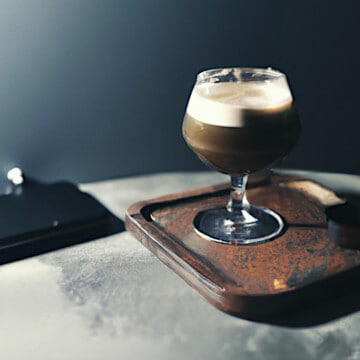
Simple Alcoholic Coffee Recipe
Ingredients
- 4 oz Espresso
- 1.5 oz Liqueur eg. Baileys, Kahlua, Rum, Whiskey
- 1 tablespoon Sugar to taste
Instructions
- Combine ingredients and mix
When using coffee in a recipe, we typically recommend using a strong-brewed coffee rather than regular brew. Increasing the amount of coffee grounds used or decreasing the water used (while increasing contact time) will do this. This is easiest to do in an aeropress, french press, cold brew or pour-over coffee maker, while an automatic coffee maker may not be as adjustable.
Choosing a Coffee
Coffee contains a number of plant-based compounds that are actually good for your health, and can help protect from liver damage caused by alcohol!
If you're just starting out making alcohol and coffee recipes, we recommend sticking with a dark roasted Colombian or Brazilian.
There are also beverages made from the coffee cherry - either the dried fruit (known as Cascara) or the ground fruit, can add a completely different flavor than roasted coffee.
Coffee Brewing Methods
Coffee is prepared by one of numerous brewing methods using hot water to extract the flavor components from the roasted ground coffee beans, which are the seeds of the coffee plant found at the center of the coffee cherry (fruit).
The ratio of water to ground coffee used to create the optimal coffee beverage strength from a particular type of coffee brewing equipment is known as the brewing formula.
Alcohol is brewed in a number of different ways as well, each of which varies based on the type of alcohol and the region in which its produced.
Coffee Roast
Some of the chemical components of coffee beans are affected by the roasting process while others are not. Some compounds related to the coffee's aroma are created during roasting. That's why you'll get different flavors out of different roasts. While a lighter or medium roast will retain a lot of a coffee's single origin characteristics, the darker roasts will tend to be more consistent.
When hot water is added to roasted, ground coffee beans, both nonvolatile taste components and volatile aroma components are extracted from the grounds. Because of this, you'll want to make your cocktails as soon as possible after brewing. Make sure to give the coffee time to cool off if the recipe is designed to be served cold, and not hot.
Coffee Flavor Components
Among the nonvolatile taste components are trigonelline, chlorogenic acid, amino acids, phenolic acids, carbohydrates, minerals and the alkaloid caffeine, which is the principal cause of the physiological effects of coffee on the human body. Caffeine has a mild to strong stimulating effect depending on the amount consumed.
Among the volatile aroma components extracted are organic acids, ketones, esters, amines, and mercaptans.
Coffee and Espresso Brewing Tips
For tips on brewing the best cup of coffee you ever had see our detailed section on Coffee Brewing. You can also read detailed specialty coffee taste profiles in our Gourmet Coffees sections, then move on to read the easy-to-follow instructions on preparing fabulous Espresso Drink Recipes.
For step-by-step instructions on pulling amazing espresso shots please see Pulling A Perfect Espresso Shot and then hone your master barista skills by reading How to make a Latte.
To get an idea of how many calories your drink will end up with, check out our article on how many calories are in your coffee
Buddy says
Now I get drunk all the time and my boss doesn't even know it 🙂 What an idiot he is! 😉