
• Recipes
  • Best Coffees
  • Guide
    • South American Coffees
    • African Coffees
    • Indonesian Coffees
  • Contact
menu icon
go to homepage
  • Recipes
  • Best Coffees
  • Guide
    • South American Coffees
    • African Coffees
    • Indonesian Coffees
  • Contact
subscribe
search icon
Homepage link
  • Recipes
  • Best Coffees
  • Guide
    • South American Coffees
    • African Coffees
    • Indonesian Coffees
  • Contact
×
Home » Single Origin Coffee Beans » African Coffees » Ethiopian Coffee Beans

Ethiopian Sidamo Coffee Beans

Sidamo is one of the most prolific growing regions in Ethiopia, putting out large volumes of consistently great coffee each year.
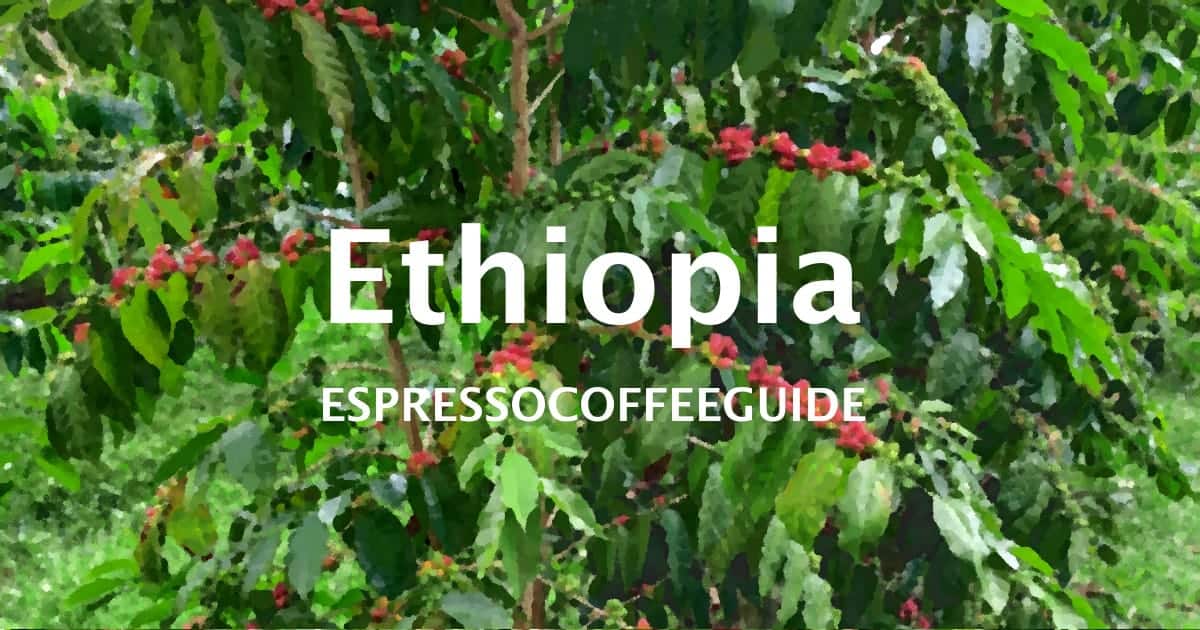
Ethiopia Coffees

Jump to:
  • Review
  • Starbucks
  • Farming
  • Growing Regions

Review

A wet-processed (washed) Ethiopian coffee best known for its rich, full body (mouthfeel), sweet and complex flavor, low acidity, floral aroma, and an finish that is bright and soft.
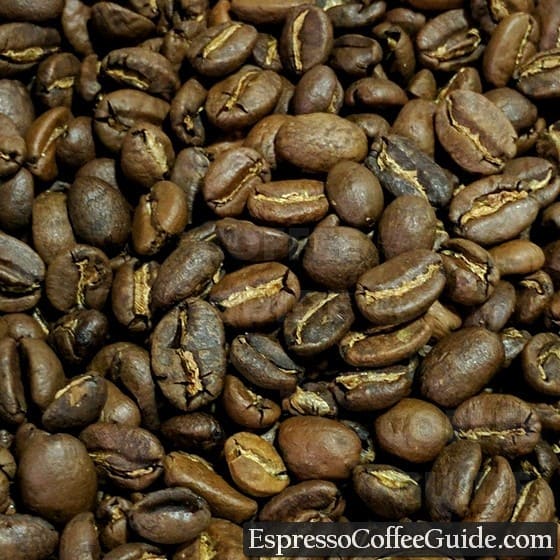
Growing Altitude: 1500-2220 meters above sea level
Arabica Variety: Heirloom Ethiopian Varieties
Harvest Period: October - January
Milling Process: Fully Washed, Dried on Raised Beds
Aroma: Floral, Slight Woody
Flavor: Lemon, Cane Sugar, Berries
Body: Medium, Smooth Acidity: Winey
Ethiopian Sidamo Coffee Beans - Medium Roast

A good Sidamo is well-balanced with cupping notes exhibiting berries and citrus (lemony) with complex acidity.

Starbucks

Starbucks' Single Origin Sun-Dried Ethiopian Sidamo has seen rave reviews from people not previously familiar with Ethiopian Sidamo coffees. The rich fruit flavors and hints of jasmine shine through even up to a dark roast, which imparts dark chocolate notes, and compliments the overall flavor profile.
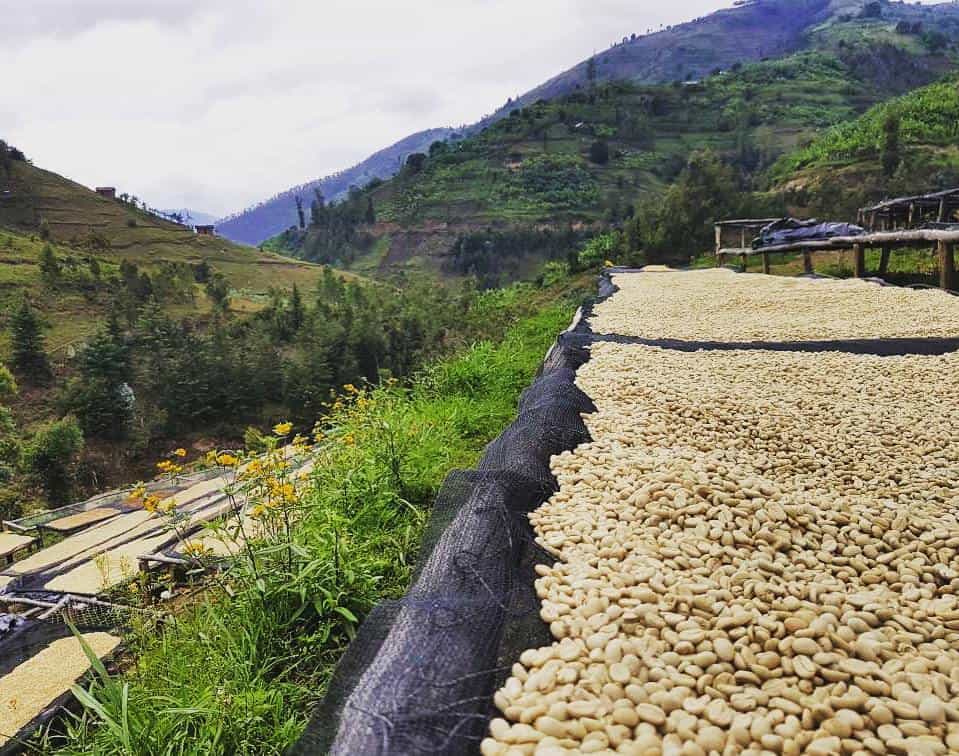
Coffee beans sun-drying on raised beds.

These coffees are hand-picked and sorted, then raised on drying beds until the coffee is ready to be shipped and roasted.

Farming

Sidamo green coffees are grown in the Province of Sidamo in the Ethiopian highlands at elevations from 1,500 up to 2,200 meters above sea level.

These elevations qualify the beans as Strictly High Grown (SHG) / Strictly Hard Bean (SHB) - elevations where the best Ethiopian coffees grow more slowly and therefore have more time to absorb nutrients and develop more robust flavors based on the local climate and soil conditions.

It is very likely that in and around this region is where coffee had its origins.

Growing Regions

Ethiopia's Sidamo coffees are known for their rich body that is very complex along with a bright and vibrant aftertaste that are fairly consistent from year to year, making this a staple Ethiopian coffee for any coffee roaster. 

Coffee is an important part of Ethiopian culture and is celebrated daily in the traditional Ethiopian Coffee Ceremony. If you want to learn more about the origins of coffee in Ethiopia you can read the whole fascinating story in the World's Best History of Coffee.

Since coffee was first discovered Ethiopia has provided some of the world's best premium coffee, pungent and complex with a delicious winey taste and a wildness in the acidity.

Among the most revered of Ethiopian coffees is the spicy and fragrant Yirgacheffes which shimmer with citrus tones and offer a very delicate body combined with a wonderful sweetness in the taste and floral notes in the aroma.

Ethiopian Harrar coffees - respected for their heavy body and spicy fragrance - are also among the wold's finest specialty coffees and include the Longberry (comprised of the largest coffee beans), Shortberry (including smaller coffee beans), and Mocha (Moka; Mocca), which consists of the prized peaberry coffee beans.

The Harrars are bright in the cup with floral and fruity notes in the acidity along with the distinctive winey tones. The heady and pungent aroma often offers up hints of blackberries along with spice tones such as cardamom, cinnamon and compote adding to the lingering aftertaste.

Also see Ethiopian Coffee.

Share to:

  • Facebook
  • X
  • Email

Comments

  1. Brutal says

    July 17, 2018 at 10:34 pm

    What is the level of acid in medium roasted coffee beans for ethopia?

    Reply
    • EspressoCoffeeGuide.com says

      July 31, 2018 at 5:17 am

      Ethiopian coffees tend to be on the higher level of acidity, and medium roasts will have a higher acidity than dark, super dark, etc. Generally, Ethiopian cofffees will have a high acidity, but it does vary by varietal and farm (growing altitude, etc).

      Reply
  2. mpf says

    May 27, 2011 at 10:06 pm

    Brought a bag of Ethiopian green bean today. Excellent taste. 88

    Reply

Leave a Reply Cancel reply

Your email address will not be published. Required fields are marked *

Recipe Rating


Welcome!

EspressoCoffeeGuide is your comprehensive guide to the top coffee origins and information on coffee beans

More about me

More Ethiopian Coffee Beans

  • Ethiopian Djimmah Coffee Beans
  • Ethiopian Harrar Coffee Beans
  • Ethiopian Limu Coffee Beans
  • Ethiopian Sidamo Coffee Beans
  • Ethiopian Yirgacheffe Coffee Beans
  • Ethiopian Coffee Ceremony

Guide to the Top Coffees

  • Kenya Coffee Beans
  • Sulawesi Coffee Beans
  • Yirgacheffe Coffee Beans
  • Sumatra Coffee Beans
  • Harrar Coffee Beans
  • Costa Rican Coffee Beans
  • Brazilian Coffee Beans
  • Mocha Java Coffee Beans
  • Tanzania Coffee Beans
  • Guatemala Coffee Beans
  • Ethiopian Coffee Beans
  • Colombian Coffee Beans
  • Honduran Coffee Beans
  • Hawaiian Kona Coffee Beans
  • Geisha Coffee Beans
  • Espresso Beans
  • Best Coffee Beans

Popular

  • Turmeric Latte
  • Coffee Cake Muffins
  • Dirty Chai Latte
  • a cup of chicory coffee with chicory flowers beside it
    Chicory Coffee

Footer

back to top

ABOUT ESPRESSOCOFFEEGUIDE.COM

Find out more About us and what we're doing.

Information is pulled from a number of locations including official sources ICO, SCA, as well as proprietary third party databases. Beginning circa 2006, we've compiled data and written about coffee and continue to revise and add as new sources come to light. If you have any recommendations or suggested revisions please contact us!

Information on single origins is updated over time and only reflects the data we have at the time of writing on current crops. All product names, logos, and brands are property of their respective owners. EspressoCoffeeGuide.com reserves the right to all its own content.

COLLABORATE WITH US

We're always looking to team up with individuals and companies doing awesome things in the coffee industry. If you'd like to contribute please reach out to us with a proposal!

Contact us

Privacy Policy

Disclosure: We may earn commission at no cost to you from some links on this website. However, the content, opinions and analysis are 100% objective and editorial objectivity is our priority.

Copyright © 2025 EspressoCoffeeGuide