
• Recipes
  • Best Coffees
  • Guide
    • South American Coffees
    • African Coffees
    • Indonesian Coffees
  • Contact
menu icon
go to homepage
  • Recipes
  • Best Coffees
  • Guide
    • South American Coffees
    • African Coffees
    • Indonesian Coffees
  • Contact
subscribe
search icon
Homepage link
  • Recipes
  • Best Coffees
  • Guide
    • South American Coffees
    • African Coffees
    • Indonesian Coffees
  • Contact
×
Home » All About Coffee Beans » Coffee Processing Methods

What is "Pulped Natural" Coffee Processing?

Pulped Natural processing is a method that removes the outer skin of the coffee cherry to expose the fruity layer, and is then allowed to dry in the sun (or sometimes, with mechanical dryers). It's considered to be half way between dry processing and wet processing - it requires more processing time and consumes more water than straight natural processing, but also offers a better quality cup.
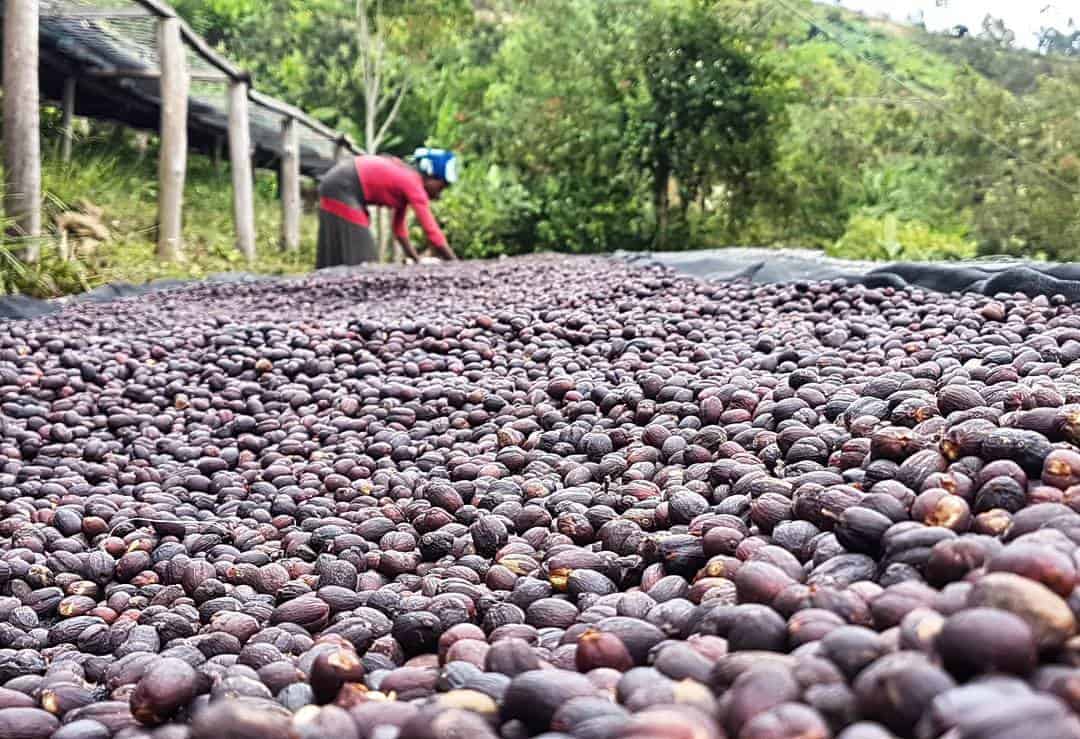
Natural Processed Coffee - MTCo.

Pulping the Coffee to Remove the Outer Skin

Often used in Brazil where strip-picking is the norm, the pulped natural processing method involves first pulping the coffee to remove the outer skin, though this is done without the fermentation stage. The coffee cherry is then sun-dried, with much of the mucilage still attached, on a raised drying bed or on a patio.

The pulped coffee cherry can also be ground into a fine powder known as coffee flour, and also has a high nutrition content with a lot of potassium and fiber, along with natural caffeine.

Regions Where Pulped Natural Processing is Used

The pulped natural coffee processing method works best in regions where the humidity is low so the coffee's mucilage can be dried quickly without fermentation occurring. Coffees must be turned regularly to avoid mildew, which can lead to mold and fungus.

Characteristics of Coffee with Pulped Natural Processing

The pulped natural method exhibits characteristics of both wet processing method (good acidity) coffee and dry processed green coffees (sweetness, body), with some of the full taste of dry processed coffee yet cleaner in the cup, similar to a wet processed coffee.

Pulped Natural processing is done to bring out the natural sweetness and aromatics of coffee - it will lead to a better tasting coffee if done properly.

Coffee and Espresso Brewing Tips

For detailed definitions of coffee terminology see the Coffee and Espresso Glossary.  Also check out the World's Best History of Coffee.

Share to:

  • Facebook
  • X
  • Email

Leave a Reply Cancel reply

Your email address will not be published. Required fields are marked *

Recipe Rating


Welcome!

EspressoCoffeeGuide is your comprehensive guide to the top coffee origins and information on coffee beans

More about me

More Coffee Processing Methods

  • What is "Wet Processing" Coffee?
  • What is "Pulped Natural" Coffee Processing?
  • What is "Semi-Washed" Coffee Processing?

Guide to the Top Coffees

  • Kenya Coffee Beans
  • Sulawesi Coffee Beans
  • Yirgacheffe Coffee Beans
  • Sumatra Coffee Beans
  • Harrar Coffee Beans
  • Costa Rican Coffee Beans
  • Brazilian Coffee Beans
  • Mocha Java Coffee Beans
  • Tanzania Coffee Beans
  • Guatemala Coffee Beans
  • Ethiopian Coffee Beans
  • Colombian Coffee Beans
  • Honduran Coffee Beans
  • Hawaiian Kona Coffee Beans
  • Geisha Coffee Beans
  • Espresso Beans
  • Best Coffee Beans

Popular

  • Turmeric Latte
  • Coffee Cake Muffins
  • Dirty Chai Latte
  • a cup of chicory coffee with chicory flowers beside it
    Chicory Coffee

Footer

back to top

ABOUT ESPRESSOCOFFEEGUIDE.COM

Find out more About us and what we're doing.

Information is pulled from a number of locations including official sources ICO, SCA, as well as proprietary third party databases. Beginning circa 2006, we've compiled data and written about coffee and continue to revise and add as new sources come to light. If you have any recommendations or suggested revisions please contact us!

Information on single origins is updated over time and only reflects the data we have at the time of writing on current crops. All product names, logos, and brands are property of their respective owners. EspressoCoffeeGuide.com reserves the right to all its own content.

COLLABORATE WITH US

We're always looking to team up with individuals and companies doing awesome things in the coffee industry. If you'd like to contribute please reach out to us with a proposal!

Contact us

Privacy Policy

Disclosure: We may earn commission at no cost to you from some links on this website. However, the content, opinions and analysis are 100% objective and editorial objectivity is our priority.

Copyright © 2025 EspressoCoffeeGuide